



Home Blog Page 2

WBC Count: How to Increase Your Immunity with Effective Strategies

0
Bottle of multivitamin and mineral supplements

Need to increase your WBC count? In this article, we’ll discuss “wbc count how to increase” effectively. White blood cells are essential for fighting infections, and there are proven methods to boost them naturally. We’ll cover practical strategies to improve your WBC count, including diet, exercise, and hydration recommendations, to help bolster your immunity.

Key Takeaways

  • A healthy WBC count ranges from 4,000 to 11,000 cells per microliter of blood, and maintaining this is essential for strong immune defense, as deviations can indicate health issues such as increased infection risk or potential dangers like leukocytosis.

  • Lifestyle changes such as a nutritious diet rich in vitamins and minerals, proper hydration, regular exercise, and stress management can naturally increase WBC count and boost immunity.

  • Medical interventions including growth factors and dietary supplements may be necessary to elevate WBC counts in certain conditions, and it’s crucial to avoid harmful factors like excessive alcohol, smoking, and exposure to toxins.

Understanding WBC Count and Its Importance

Leukocytes, commonly known as white blood cells, serve as the immune system’s primary defense mechanism against invaders such as bacteria, viruses, and various toxins. These essential blood cells are consistently monitored by our body to ensure their concentration remains within a specific range in the bloodstream. For adults, maintaining a white blood cell count between 4,000 and 11,000 per microliter is crucial for infection prevention and disease resistance.

When there’s deviation from this normal range of WBC count, it can be concerning. A low white blood cell count—falling under 4,000—is called leukopenia. It increases susceptibility to infections and may lead to health issues. On the opposite end of the spectrum is a high WBC count that exceeds 11 x 109/L known as leukocytosis, which could signal underlying problems requiring attention. Keeping track of your WBC levels can facilitate early identification of imbalances leading to prompt medical intervention while playing an instrumental role in preserving overall well-being.

Strategies to Elevate Your White Blood Cell Count

A variety of fruits and vegetables

If your white blood cell count isn’t ideal, there’s no need to be disheartened. There are various approaches one can adopt to boost these crucial blood cells. We’ll delve into how making adjustments to your diet, ensuring proper hydration, and incorporating exercise can markedly improve the generation of white blood cells.

Nutritious Foods for WBC Enhancement

Optimizing our diets should be a primary strategy. The familiar saying, “you are what you eat,” holds significant weight regarding the production of white blood cells. Foods abundant in nutrients like citrus fruits, lean meats, and leafy green vegetables supply vital vitamins and amino acids that are imperative for creating blood cells. For example, vitamin C can be abundantly found in citrus fruits, spinach is rich with iron and vitamin K, while essential amino acids required for white blood cell development come from lean protein sources such as poultry. Incorporating essential vitamins, minerals, and specific foods such as omega-3 fatty acids, green tea, garlic, fruits, vegetables, nuts, seeds, vitamins B6, B12 & folic acid, lean protein, zinc, and yogurt is crucial to increase white blood cells.

It’s worth noting that other foods contribute to immune strength and function: berries bring flavonoids to the table which bolster white blood cell function, while garlic offers compounds known to support the immune system – potentially leading to improved health outcomes. Including these nutrient-packed items in your diet may elevate your WBC count and enhance overall immune efficacy. Proper nutrition plays a pivotal role in increasing white blood cells, with dietary components such as vitamin C, vitamin B6, B12, and folic acid, essential fatty acids like omega-3, and probiotics being essential.

Hydration and Immune Function

Often, the critical role that hydration plays in maintaining immune system functionality is overlooked. It’s essential to understand that appropriate fluid intake is crucial for maximizing the formation of white blood cells. When dehydration occurs, there’s a reduction in blood volume which can impede the circulation of these vital blood cells.

Not only does staying hydrated satisfy thirst, but it also facilitates efficient nutrient delivery to various cells, thus bolstering both growth and effectiveness of white blood cells. Instead of opting for soda during your next beverage break, choosing a nourishing glass of water or fruit and vegetable juice may be significantly beneficial for your health.

Regular Exercise’s Impact on Blood Cells

Regular exercise is critical in boosting your white blood cell (WBC) count, which plays a significant role not just in achieving and maintaining a healthy weight or reducing chronic disease risks, but also impacts the health of your immune system directly. Engaging in consistent physical activity can enhance circulation, thereby supporting the transport and efficacy of WBCs throughout the body. To elevate your WBC count through exercise, consider activities such as:

  • Strolling or running

  • Biking

  • Aquatic exercises

  • Practicing yoga or Pilates

  • Weight training

Adopting these types of exercises into your daily schedule can bolster a robust immune system by increasing WBC counts.

Engaging in regular workouts has been shown to diminish stress levels and improve overall mood – two factors that are beneficial for optimal immune function. So regardless if it’s enjoying a quick walk nearby or tackling an energetic session at the fitness center, incorporating habitual physical activity is essential for enhancing routine health practices.

Fortifying Your Diet to Support WBC Production

Bottle of multivitamin and mineral supplements

Incorporating the right foods into your diet is crucial, but it’s just as important to adopt an overall eating pattern that promotes WBC production. Here’s how you can enhance your diet through:

  • Essential nutrients

  • Probiotics

  • Antioxidants

And by following a particular dietary approach, the Mediterranean diet. Emphasizing the importance of a balanced diet, limiting alcohol consumption, and including specific dietary recommendations such as Omega-3, zinc, vitamin B12, folate, vitamins A and C can significantly increase white blood cell counts, supporting your immune system.

The Role of Vitamins and Minerals

Vitamins and minerals are crucial for the body’s immune defense mechanisms. Vitamin C, in particular, enhances both the generation and function of vital white blood cells integral to immunity, such as B-cells and T-cells. Vitamin B6, an antioxidant. E strengthens our immune defenses by supporting an increase in white blood cell count including that of killer cells and B-cells. This vitamin is richly present in foods like almonds, peanut butter, and spinach.

Incorporating vitamins like folate along with vitamins B6 and B12 into your diet can significantly contribute to the production and renewal of white blood cells—elements central to a robust immune system. But beyond just vitamins are necessary minerals like zinc, which intensifies aggression among white blood cells against pathogens. Meanwhile, selenium plays a role in their development. Omega-3 fatty acids facilitate the formation of phagocytes—a category of white blood cells—with sources including but not limited to flaxseed oil, chia seeds, fish oils, walnuts, and spinach.

Incorporating Probiotics and Antioxidants

Live microorganisms known as probiotics, which are present in certain foods, have been noted for their ability to enhance immune health. These organisms work in synergy with the gut-associated lymphoid tissue to boost the performance of the immune system and potentially elevate the white blood cell count. Some food sources rich in these beneficial bacteria include:

  • Yogurt

  • Kefir

  • Sauerkraut

  • Kimchi

  • Kombucha

  • Miso

  • Tempeh

Specifically, yogurt that contains a high level of probiotics can reinforce the immune system and is associated with an increase in white blood cells when it includes live and active cultures.

Antioxidants are essential for safeguarding the immune system by neutralizing free radicals. This action may result in enhanced function of white blood cells. Green tea is especially abundant in potent antioxidants such as flavonoids and EGCG along with L-theanine—an amino acid—all contributing significantly to strengthening immunity while also promoting an uptick in white blood cell production.

The Mediterranean Diet and Immune Health

A diet rich in the Mediterranean tradition, which includes a variety of fruits, vegetables, whole grains, and healthy fats.

Vegetable juice is well-regarded for its myriad health advantages. Such a dietary approach not only enhances the immune system’s performance, but also has demonstrated beneficial impacts on white blood cell levels.

Embracing a Mediterranean diet may bolster immune function and could lead to an upswing in the production of white blood cells. Should you be seeking out nutritional habits that fortify your immunity, turning towards the Mediterranean diet could serve as an excellent starting point.

Avoiding Factors That Negatively Affect WBC Counts

As we aim to boost our white blood cell (WBC) count, it’s just as critical to avoid elements that may have a detrimental effect. We’ll delve into the influence of alcohol consumption, along with smoking and exposure to toxins, on your WBC count.

Limiting Alcohol Consumption and Smoking

It is widely recognized that smoking and alcohol can have harmful effects on our health. The way they affect white blood cell count might not be as commonly understood. Excessive alcohol use has been shown to inhibit the production of all types of blood cells, including creating atypical precursors for these cells which can disrupt white blood cell function—particularly those essential in combating bacterial infections.

The various adverse consequences of alcohol on one’s body include negative impacts on both red blood cells and the immune system. Specifically related to alcohol consumption:

  • It can induce structural anomalies within red blood cells, leading them to break down prematurely and causing anemia

  • It reduces the immune system’s capacity to fend off infectious diseases effectively

  • It may decrease vaccine effectiveness

For sustaining a healthy level of white blood cells and facilitating their increase when necessary, reducing your intake of alcoholic beverages significantly and ceasing smoking are crucial measures.

Steering Clear of Immune-Suppressing Toxins

Being subjected to toxins can detrimentally affect your white blood cell count. It’s crucial for the sustenance of immune function that one reduces exposure to heavy metals and persistent organic pollutants (POPs). Immunosuppressive impacts are notably present in chemicals like perfluoroalkyl substances, which are prevalent in a variety of consumer products as well as firefighting foams.

Substances that suppress immunity may result in a reduction of the white blood cell count, undermining the body’s ability to ward off infections and diseases. Hence, it is important to recognize potential environmental toxins and actively reduce their presence in order to preserve an optimal WBC count and bolster the efficacy of immune cells.

Medical Interventions to Boost White Blood Cells

Medical vial and syringe

Should lifestyle changes prove insufficient for boosting WBC count, medical strategies can play a crucial role in assistance.

Examining the effectiveness of growth factors and additional supplements is key to understanding their potential in augmenting white blood cell production.

Growth Factors and Stimulating Agents

Polypeptide hematologic growth factors play a critical role in augmenting the production of white blood cells, particularly for individuals with bone marrow complications or those receiving chemotherapy. These growth factors, including granulocyte colony-stimulating factor (G-CSF) and granulocyte-macrophage colony-stimulating factor (GM-CSF), focus on precursors to white blood cells to improve their activation and multiplication. They prove invaluable for patients who are managing neutropenia after chemotherapy or are engaged in hematopoietic cell transplantation.

In efforts to boost new white blood cell generation within the bone marrow, filgrastim is administered via injection as a safeguard against potential infections during aggressive cancer treatments. When patient assessments reveal suboptimal levels of white blood cells, doctors may prescribe drugs that elevate these counts effectively bolstering immune capabilities and fortifying defenses against infectious diseases.

Supplementing with Multivitamins and Minerals

Taking multivitamins and mineral supplements might aid in elevating your white blood cell (WBC) count. For those struggling with nutritional deficiencies or who find it challenging to consume a balanced diet, dietary enhancements could play a crucial role in boosting the number of blood cells. Among the suggested supplements for this purpose are:

  • Vitamin C

  • Vitamin D

  • Vitamin E

  • Zinc

  • Iron

For individuals having trouble eating during treatments like chemotherapy, it’s recommended to take a multivitamin and mineral supplement with vitamin B12 and folate to help maintain proper nutrition and support the immune system.

Nevertheless, it’s vital to seek advice from a healthcare professional before beginning any supplement regimen.

Ingesting essential vitamins and minerals through dietary supplements can be instrumental in promoting overall health while potentially playing a role in sustaining healthy levels of white blood cells. It should be noted that these supplements are meant to act as an addition rather than a substitute for maintaining a balanced diet.

Maintaining a Strong Immune System Through Good Practices

Maintaining a healthy immune system stems from the synergy of numerous positive habits, including achieving sufficient sleep and effectively managing stress. Let’s explore these contributing practices to ensure our immune system remains strong.

Sleep’s Role in Immunity

Sleep is essential not merely for rest and recovery of the body, but it also plays a crucial role in maintaining the health of our immune system. While we sleep, our immune system produces cytokines. Some cytokines are integral in fighting off infections and inflammation, which are necessary for achieving beneficial sleep.

Persistent sleep deprivation may lead to a diminished production of these protective cytokines as well as to a reduction in both antibodies’ activity and cell functions that fight infection. It’s advisable to get seven to eight hours of quality sleep every night to bolster white blood cell production and improve overall immunity.

Adequate sleep is critical because lack of it can weaken the immune system. This weakening impairs white blood cells’ ability to effectively fend off infections, rendering the body more vulnerable to illnesses.

Stress Management Techniques

Managing stress effectively plays a crucial role in supporting a strong immune system. The body’s response to constant stress is the release of cortisol, which can suppress inflammation and initially upregulate immunity. But over time, continuous exposure to this hormone can impair the immune system.

Various strategies are available that help improve the health of your immune system by managing stress levels, including:

  • Regular participation in yoga and meditation to diminish levels of stress hormones and address inflammation, potentially enhancing immune function.

  • Steering clear of known sources that trigger personal stresses.

  • Keeping a journal specifically for logging stressful occurrences.

  • Cultivating an attitude centered on positive thinking.

  • Building and maintaining a network of social support with significant strength.

Ultimately, handling stress appropriately is vital for preserving optimal immune function as well as promoting general well-being.

Food Safety Tips for a Healthy Immune System

Ensuring a healthy immune system goes beyond just enhancing your white blood cell (WBC) count. It’s equally about warding off illnesses that may compromise the immune system. Those who have difficulty consuming food must be particularly mindful to consume safely.

Adopting correct methods for managing and cooking food can stave off illnesses related to foodborne pathogens typically present in uncooked or partially cooked animal items, as well as diseases spread by virus-contaminated water or edibles. Vigilance in infection-prone settings combined with rigorous personal cleanliness routines are overarching measures integral to sustaining a robust immune system.

Navigating Cancer Therapy While Sustaining WBC Counts

Maintaining an optimal white blood cell count is a crucial issue for those undergoing cancer treatment. Treatments such as chemotherapy can drastically reduce the WBC count, creating severe health risks.

Cancer patients face increased vulnerability to bacterial infections if they experience neutropenia – a decline in neutrophils, which are essential types of white blood cells. To prevent potentially fatal infections, it’s important to manage and preserve WBC counts carefully. This may involve circumventing specific therapies like chemotherapy and radiation therapy when feasible because they contribute markedly to the reduction in white blood cell levels among patients with leukopenia.

Summary

To summarize, preserving an optimal WBC count is crucial for a strong immune system. Numerous methods exist to enhance your WBC levels, including altering diet and lifestyle habits, employing medical treatments, and practicing proper food safety. Your body’s defense mechanism against illnesses relies on the vigor of your immune system. Hence it’s essential to prioritize its care. Ensure you drink enough water, consume nutritious foods, engage in consistent physical activity, secure adequate sleep regularly and keep stress under control—above all else, heed what your body signals to you.

Frequently Asked Questions

What is a normal WBC count?

A normal WBC count for adults ranges from 4,000 to 11,000 cells per microliter of blood.

How can I boost my WBC count naturally?

By altering your diet, ensuring you drink enough water, maintaining a regular exercise regime, getting sufficient sleep, and controlling stress levels, it’s possible to naturally enhance your WBC count.

Implementing these changes in lifestyle may lead to an increase in your WBC count.

What factors can negatively affect my WBC count?

Avoid alcohol consumption, smoking, and exposure to toxins to prevent negative effects on your WBC count.

How can I maintain a healthy WBC count during cancer treatment?

During cancer treatment, to preserve a robust white blood cell count, one may resort to utilizing growth factors and stimulants designed to enhance the production of white blood cells.

What are some food safety tips to maintain a healthy immune system?

To preserve the integrity of your immune system, it’s essential to practice correct food handling and preparation techniques. Steer clear of potentially risky foods such as dairy products that haven’t been pasteurized and meats that are not fully cooked while also maintaining high standards of personal cleanliness.

Adhering to these measures is vital in upholding food safety norms.

Advertisement

Top Powerful Benefits of Lupin Beans for Your Health

0
Culinary uses of lupin beans

Lupin beans, a lesser-known legume powerhouse, bring a wealth of benefits to your diet. With high protein content and minimal carbohydrates, these beans are a nutritional dynamo, especially for those seeking plant-based sources of essential nutrients. From bolstering heart health to aiding with digestion and glucose control, this article explores the compelling reasons lupin beans are more than just another legume. Dive in to uncover the solid health benefits of lupin beans without any unnecessary fluff.

Key Takeaways

  • Lupin beans, rich in protein, dietary fiber, and essential nutrients, support muscle synthesis and recovery and offer a low-calorie, low-carbohydrate option for health-conscious diets.

  • Consumption of lupin beans is linked to multiple health benefits, including improved gut health, enhanced heart health through the lowering of ‘bad’ LDL cholesterol and blood pressure, and control of blood sugar levels, potentially aiding in diabetes management.

  • While versatile in culinary uses and supportive of sustainability due to less water and fertilizer requirements, lupins should be prepared properly to avoid potential health risks, especially for those with peanut allergies.

Unveiling the Lupin Bean

Derived from the Lupinus albus plant, lupin beans, also known as Lupini beans, have been nourishing civilizations since 2000 BC. From the ancient Egyptians and Romans to modern societies, these legumes have been a dietary staple, providing sustenance and nutrition across the ages. Lupin beans are primarily found in Mediterranean countries, and one popular variety is the lupini bean. There are two main varieties: the Australian sweet lupin or blue lupin (Lupinus angustifolius) and the white or albus lupin (Lupinus albus). In addition to these, the yellow lupin (Lupinus luteus) is another species worth mentioning.

Despite being less recognized than other legumes like soybeans and kidney beans, lupin beans possess an intriguing uniqueness. They are lower in fat and are a rich source of nutrients, distinguishing them from other legumes. With a multitude of benefits, lupin beans are paving their way into the modern diet, offering a nutritional upgrade to our meals.

Nutritional Profile of Lupin Beans

Nutritional benefits of lupin beans

Their outstanding nutritional profile is what sets lupin beans apart in the legume family. Unlike other legumes, they have a high protein and low carbohydrate content, which sets them apart. This characteristic makes them a popular choice for those looking to increase their protein intake while reducing carbs. With nearly twice the amount of protein as chickpeas and more protein than soybeans, they are a go-to source of plant-based protein for vegan or vegetarian diets. Furthermore, lupin beans are low in calories, making them a favorable choice for those conscious about their energy intake.

Some key nutritional benefits of lupin beans include:

  • High protein content

  • Low carbohydrate content

  • Rich in dietary fiber

  • Good source of vitamins and minerals, including iron, magnesium, and potassium

Incorporating lupin beans into your diet can help support your overall health and provide a nutritious alternative to other legumes, so it’s a great idea to eat lupini beans.

But that’s not all. Let’s delve deeper into the nutritional riches of lupin beans.

Essential Amino Acids

With their rich content of branched-chain amino acids, lupin beans are a standout choice for muscle synthesis and recovery. They are packed with leucine, isoleucine, and valine, which are crucial for muscle synthesis and recovery. So if you are looking to support your workout regime with a natural, plant-based protein source, lupin beans might be your ideal choice.

Another advantage of lupin beans is their provision of key amino acids necessary for the body’s synthesis of creatine, such as glycine, arginine, and methionine. Along with these, they also contain a comprehensive profile of other essential amino acids, further enhancing their nutritional value. Essentially, lupin beans are an amino acid powerhouse, providing your body with the building blocks it needs to thrive.

Vitamins and Minerals

Although protein and amino acids are predominant, the nutritional benefits of lupin beans extend beyond these. They are a source of energy-boosting B vitamins and essential minerals such as phosphorus, calcium, manganese, magnesium, and iron. These nutrients play key roles in various bodily functions, from energy production and bone health to immune function and nerve signaling.

The combination of vitamins and minerals in lupin beans makes them an excellent food for supporting a balanced diet. With their rich nutrient profile, lupin beans truly earn their place in the legume family, offering a unique blend of nutrients to cater to your body’s needs.

Phytonutrients

Lupin beans are applauded for their phytonutrients, along with proteins, amino acids, vitamins, and minerals. These include bioactive compounds like oligosaccharides, flavonoids, and alkaloids. Notably, the oligosaccharides in lupin beans belong to the raffinose family, which promotes gut health by encouraging the growth of beneficial bacteria.

Flavonoids and phenolic compounds in lupin beans, such as apigenin-6,8-di-C-b-glucopyranoside and protocatechuic acid, display potential health benefits, including antioxidant properties. Moreover, lupin seeds are abundant in other phytochemicals like polyphenols, phytosterols, and squalene, which further contribute to their health-promoting properties. With a robust profile of phytonutrients, lupin beans certainly offer more than meets the eye.

Health Benefits of Lupin Beans

Health benefits of lupin beans

Given their robust nutritional profile, the wide range of health benefits lupin beans offer is hardly surprising. They have been associated with potential cardiovascular benefits, including reductions in blood pressure and serum lipids. Moreover, their high fiber content promotes gut health, and their role in blood sugar control could help prevent type 2 diabetes.

It’s worth examining these health benefits in more detail.

Gut Health

The high fiber content in lupin beans serves as a source of prebiotics, enhancing gut health by promoting the growth of beneficial bacteria. Specifically, the fiber in lupin beans encourages the growth of helpful intestinal bacteria such as bifidobacteria.

Furthermore, the fermentation of lupin fiber by these intestinal bacteria results in a lower environmental pH in the gut. This creates a favorable environment for the proliferation of beneficial bacteria, contributing to a healthy gut microbiome.

Therefore, the regular intake of lupin beans can potentially contribute to a healthy gut, a vital aspect of overall well-being.

Heart Health

Lupin beans have shown potential advantages in the realm of heart health. They have been associated with lowering ‘bad’ LDL cholesterol, which contributes positively to heart health. In a clinical trial, supplementation with lupin protein over 28 days resulted in an approximate 4% reduction in LDL levels.

In addition to reducing cholesterol, lupin beans have shown promise in lowering blood pressure, particularly in individuals classified as ‘mild to clinically hypercholesterolaemic’. The intake of lupin fiber may also lead to a reduction in serum lipids, offering further cardiovascular benefits for hypercholesterolaemic individuals. This makes lupin beans a heart-friendly addition to the diet, potentially improving the HDL cholesterol ratio.

Blood Sugar Control

Lupin beans have several benefits for controlling blood sugar levels:

  • Their low glycemic index makes them a beneficial food.

  • Their high protein and fiber content contribute to this low glycemic index.

  • Replacing just 10% of the total ingredients with lupin bean flour can significantly reduce the glycemic index of bread.

Lupin beans have the potential to:

  • Reduce blood plasma glucose levels, which can be beneficial for supporting weight loss efforts

  • Be a valuable addition to a balanced diet

  • Be part of a diet without contributing to weight gain in overweight or obese individuals

  • Help manage blood sugar levels, offering potential benefits for individuals with diabetes

Early research indicates that eating lupin beans, which are derived from lupin seed, may provide these potential benefits of lupin, similar to those found in mung beans.

Culinary Uses of Lupin Beans

Culinary uses of lupin beans

Besides being a nutritional powerhouse, lupin beans also hold their own in the culinary world. Whether whole or ground, in snack bars, or as gluten-free flour, lupin beans bring versatility to the table, complementing savory dishes, dips, and spreads. Plus, with their low carbohydrate content, they are a keto-friendly choice, expanding their use in different dietary plans.

It’s worth delving into their culinary uses further.

Whole Lupin Beans

In their whole form, lupin beans feature prominently in traditional dishes and festive snacks. For instance, in Egypt, they are often savored during the Sham Elnesim festival. They can be prepared in various ways, such as:

  • Boiling and then marinating in a salty water mixture to create a unique snack that is tangy, salty, and slightly bitter

  • Roasting and seasoning with spices for a crunchy and flavorful snack

  • Adding to soups, stews, and salads for added texture and protein

These are just a few examples of how lupin beans can be enjoyed in their whole form.

For heartier meals, whole lupin beans are utilized in stews, adding both nutrition and substance to the dish. Whether as a snack or part of a meal, whole lupin beans offer a unique culinary experience while delivering a nutritional punch.

Pickled Lupin Beans

Pickled lupin beans, a traditional Mediterranean snack, are often enjoyed with beer or wine. In Portugal, lupini beans are marinated with ingredients like:

  • garlic

  • olive oil

  • parsley

  • spices

to create a flavorful snack, commonly enjoyed alongside other foods such as olives.

These fava beans are preserved in a brine solution, typically salted water in glass jars, and can be consumed directly by ‘popping’ the seed into one’s mouth, or after peeling the skin off if desired. Their tangy and savory flavor makes them a delightful inclusion in various Mediterranean dishes.

Lupin Flour

Lupin flour, a low-carb, protein, and fiber-rich flour, is emerging as a favorite among health enthusiasts and bakers alike. Ideal for gluten-free baking and cooking purposes, lupin flour can be used in making cookies, offering a healthier, low-carb, and gluten-free alternative to traditional baking flours.

Beyond baking, sweet lupin flour is incredibly versatile and can be used in the creation of plant-based proteins like vegan sausages and lupin-tofu. With lupin flour, the culinary possibilities are only limited by your imagination.

Potential Risks and Precautions

Despite their myriad benefits, one must be aware of potential risks and precautions associated with lupin beans. Individuals with a history of nut allergies, particularly peanut allergies, should exercise caution when consuming lupin. This is due to a 17.1% rate of cross-reactivity between peanut and lupin allergies.

Moreover, consuming bitter lupin beans without proper preparation can result in lupin poisoning, characterized by neurological, digestive, and cardiovascular symptoms. However, consumers can opt for sweet lupin variants like the Australian sweet lupin, which are low in alkaloids and do not require soaking in a salt solution.

It’s always important to ensure that lupin beans are properly prepared before consumption to avoid any potential health risks.

Sustainability and Environmental Impact

In addition to their nutritional and culinary advantages, lupin beans also support sustainability. They:
  • Require less water

  • Enrich the soil

  • Reduce greenhouse gas emissions

  • Serve as a rotation crop

  • Do not depend on heavy use of fertilizers for nitrogen, thanks to their ability to fix nitrogen from the atmosphere and mobilize phosphorus from the soil.

Moreover, lupin beans can grow on poor and marginal lands, making them a resourceful choice for regions with less fertile soils while also conserving water. Their ability to adapt to various climates while maintaining beneficial nitrogen fixation further adds to their sustainability. Thus, the cultivation of lupin beans not only benefits our health but also contributes positively to the environment.

Summary

In this exploration of lupin beans, we’ve delved into their rich history, impressive nutritional profile, health benefits, culinary uses, potential risks, and their role in sustainability. As a low-fat, high-protein legume, lupin beans offer a unique blend of nutrients and phytonutrients that support a range of health benefits, from gut health and heart health to blood sugar control.

Their versatility in the kitchen, coupled with their sustainability and environmental impact, make them a valuable addition to our diets and our planet. As more people discover the benefits of lupin beans, these unassuming legumes are set to make their mark in the world of health and nutrition. So, why not add some lupin beans to your diet and experience their benefits firsthand?

Frequently Asked Questions

What are lupin beans?

Lupin beans are yellow legume seeds with a rich history, derived from the Lupinus albus plant. They come in two main varieties: Australian sweet lupin and white or albus lupin.

What are the nutritional benefits of lupin beans?

Lupin beans are a nutritious choice due to their low fat and high protein content, as well as being rich in essential amino acids, vitamins, minerals, and phytonutrients. This makes them a valuable addition to a balanced diet.

How can lupin beans be used in cooking?

Lupin beans can be used in various forms, such as whole beans, ground beans, snack bars, and gluten-free flours, and can be added to savory dishes, dips, spreads, and used for baking.

Are there any risks associated with consuming lupin beans?

Yes, individuals with nut allergies, particularly peanut allergies, should be cautious about consuming lupin due to the risk of cross-reactivity, and consuming bitter lupin beans without proper preparation can result in lupin poisoning. Be mindful of these risks when considering lupin consumption.

Advertisement

Processed vs Ultra Processed Foods: Know the Difference

0
ultra processed foods

Processed vs Ultra Processed Foods: Know the Difference

When it comes to your diet, making informed choices is essential for your health and well-being. We are constantly bombarded with food options, but do you really know what you’re putting into your body? Have you ever wondered about the difference between processed and ultra processed foods?

Processed foods are a common part of our modern diet, but they often come with hidden health risks. On the other hand, ultra processed foods take processed to a whole new level, and their impact on our health is a cause for concern. So, what exactly sets these two types of foods apart? And more importantly, how can understanding this difference help us make healthier dietary choices?

Key Takeaways:

  • Processed foods undergo various preservation methods and often contain added sugars, unhealthy fats, and high sodium levels.
  • Ultra processed foods are highly manipulated products packed with additives, preservatives, and artificial ingredients.
  • Ultra processed foods have been linked to various health problems, including obesity, heart disease, and type 2 diabetes.
  • Knowing how to read food labels and identify ultra processed foods can help you make healthier choices.
  • By prioritizing whole, minimally processed foods, you can nourish your body with essential nutrients and reduce potential health risks.

What are Processed Foods?

Processed foods undergo various methods of preservation to extend their shelf life. These foods often contain added sugars, unhealthy fats, and high levels of sodium. The processing of these foods involves altering their natural state through techniques such as canning, freezing, or refining. Common examples of processed foods include canned fruits and vegetables, frozen meals, deli meats, and packaged snacks.

While processed foods may offer convenience and longer shelf life, they lack the essential nutrients found in whole foods. Consuming these foods in excess can contribute to a range of health issues, including obesity, heart disease, and type 2 diabetes. Therefore, it is important to be mindful of the processed foods you consume and to make an effort to incorporate more whole foods into your diet.

"One of the best things you can do for your health is to prioritize consuming whole, minimally processed foods over their processed counterparts." - Dr. Lisa Jones

Unlike processed foods, whole foods are in their natural form and have undergone little to no processing. They are rich in essential nutrients, fiber, and antioxidants, which play a vital role in maintaining optimal health. Whole foods include fruits, vegetables, whole grains, lean proteins, and legumes.

By incorporating more whole foods into your diet, you can reap numerous benefits. These include improved digestion, increased energy levels, enhanced immune function, and reduced risk of chronic diseases. Whole foods provide a range of vitamins, minerals, and phytochemicals that are essential for overall well-being.

An Introduction to Ultra Processed Foods

When it comes to making healthy dietary choices, understanding the impact of ultra processed foods on your health is crucial. Ultra processed foods are highly manipulated products that often contain minimal nutritional value. Instead, they are typically packed with additives, preservatives, and artificial ingredients that can have detrimental effects on your well-being.

What are Ultra Processed Foods?

Ultra processed foods are those that have undergone extensive processing, involving multiple steps and the addition of artificial substances. These foods are often convenient and readily available, but they lack the essential nutrients that whole foods provide. Instead, they contribute to a range of health issues and can lead to chronic conditions such as obesity, heart disease, and type 2 diabetes.

Ultra processed foods have been linked to numerous health risks, including obesity, heart disease, and type 2 diabetes.

Common examples of ultra processed foods include sugary breakfast cereals, packaged snacks, fast food meals, and soft drinks. These products tend to be high in unhealthy fats, added sugars, sodium, and other synthetic ingredients. Consuming them regularly can have a significant negative impact on your overall health and well-being.

How to Avoid Ultra Processed Foods

While it may seem challenging to avoid ultra processed foods in today’s convenience-driven world, there are practical steps you can take to prioritize healthier alternatives:

  1. Opt for whole, minimally processed foods: Choose fresh fruits, vegetables, lean proteins, whole grains, and natural dairy products. These foods offer a wide range of essential nutrients and are free from the additives found in ultra processed options.
  2. Read food labels: Pay attention to the ingredient list and nutrition facts on packaged foods. Look for products with a short list of recognizable, pronounceable ingredients and minimal artificial additives. Avoid foods with high levels of added sugars, unhealthy fats, and sodium.
  3. Prepare meals at home: Cooking meals from scratch gives you full control over the ingredients that go into your meals. This way, you can ensure you are consuming whole foods and avoid the hidden additives present in ultra processed options.
  4. Plan your meals and snacks: By planning your meals and snacks in advance, you can avoid relying on ultra processed foods when hunger strikes. Have a variety of healthy options readily available, such as pre-cut fruits and vegetables, nuts, homemade granola bars, and yogurt.

By following these practices, you can reduce your consumption of ultra processed foods and make healthier choices for your overall health and well-being.

Now that we understand the impact of ultra processed foods on our health and how to avoid them, let’s explore the specific health risks associated with these products in the next section.

The Health Risks of Ultra Processed Foods

Ultra processed foods have become increasingly prevalent in our modern diets. These convenient and readily available food options may seem appealing, but they come with significant health risks. Research has shown strong associations between the consumption of ultra processed foods and various health problems, including:

  • Obesity: Ultra processed foods are often high in added sugars, unhealthy fats, and calories. These factors contribute to weight gain and obesity, which are known risk factors for numerous chronic diseases.
  • Heart disease: Regularly consuming ultra processed foods has been linked to an increased risk of heart disease. These products typically contain high levels of sodium, unhealthy trans fats, and artificial additives, all of which can negatively impact heart health.
  • Type 2 diabetes: Ultra processed foods often lack the essential nutrients and dietary fiber found in whole foods. Instead, they are commonly packed with refined carbohydrates, which can lead to insulin resistance and an elevated risk of developing type 2 diabetes.

Fortunately, there is a healthier alternative. By choosing whole, minimally processed foods, you can significantly reduce your risk of developing these conditions. Whole foods, such as fresh fruits, vegetables, lean proteins, and whole grains, provide essential nutrients, fiber, and antioxidants that promote good health. Incorporating these foods into your diet can improve your overall well-being and protect against the negative effects of ultra processed foods.

Identifying Ultra Processed Foods

Being able to recognize ultra processed foods is crucial in making healthier dietary choices. Understanding how to read food labels and identify hidden additives and harmful ingredients will empower you to avoid these products and prioritize your well-being.

When shopping for groceries, take the time to read and understand the information provided on food labels. Pay attention to the list of ingredients, as this will give you insight into the level of processing a product has undergone. Look out for keywords such as “hydrogenated,” “refined,” or “artificial,” as these can indicate the presence of additives and unhealthy components.

In addition to reading the ingredient list, make use of the nutritional information provided on food labels. This will help you gauge the nutritional value of a product and make informed choices. Look for foods that are low in added sugars, unhealthy fats, and sodium, and high in essential nutrients like fiber, vitamins, and minerals.

Remember, just because a product claims to be “natural” or “organic” doesn’t necessarily mean it is free from ultra processed ingredients. Always read the labels to confirm the nutritional content and assess the level of processing.

"Reading food labels is like having X-ray vision into the quality of the food you consume. It allows you to see beyond the packaging and make more conscious choices for your health and well-being." - Dr. Lisa Johnson, nutritionist

By familiarizing yourself with the signs of ultra processed foods, you can avoid potentially harmful products and prioritize whole, minimally processed options. Make it a habit to read food labels every time you shop, and compare different brands to find the healthiest choices available.

The Importance of Reading Food Labels

Reading food labels is not just about avoiding ultra processed foods; it is also about taking control of your health and making informed decisions about what you put into your body. Here are some key reasons why reading food labels is important:

  • Understanding nutritional content: Food labels provide valuable information about the nutrient content of a product, such as the amount of calories, fat, protein, and carbohydrates. This information can help you maintain a balanced diet and meet your specific dietary needs.
  • Identifying potential allergens: Food labels list common allergens, such as peanuts, dairy, and gluten. If you have any food allergies or intolerances, reading labels can help you avoid potential triggers and keep you safe.
  • Monitoring added sugars and unhealthy ingredients: Ultra processed foods often contain high amounts of added sugars, unhealthy fats, and sodium. By reading food labels, you can keep track of these ingredients and limit your intake, reducing the risk of chronic health conditions.
  • Comparing products: Food labels enable you to compare similar products and choose the ones that are healthier and more aligned with your nutritional goals. Use the information provided to make informed choices that support your overall well-being.

Remember, your health is in your hands. Take the time to read food labels, educate yourself about the impacts of ultra processed foods on health, and make choices that prioritize your well-being. Your body will thank you!

Tips for Avoiding Ultra Processed Foods

To reduce your intake of ultra processed foods and prioritize your health, it’s essential to make simple yet effective changes to your shopping habits and meal planning. By incorporating these practical tips and strategies, you can gradually shift towards consuming more whole foods, reaping the numerous benefits they offer.

  1. Plan your meals: Taking the time to plan your meals in advance can help you avoid last-minute unhealthy choices. Create a weekly meal plan and make a shopping list accordingly, focusing on whole ingredients like fresh fruits and vegetables, lean proteins, and whole grains.
  2. Shop the perimeter: Take advantage of the layout of most grocery stores where the fresh, whole foods are usually located along the perimeter. Fill your cart with nutrient-rich options like colorful produce, lean meats, and dairy products.
  3. Read food labels: Take a closer look at the ingredients list and nutrition facts of processed foods. Avoid products that contain artificial additives, excessive added sugars, unhealthy fats, or high levels of sodium.
  4. Buy in bulk: Purchasing whole foods in bulk can be a cost-effective way to stock up on healthy essentials. Opt for items like whole grains, nuts, and seeds, allowing you to create nutritious meals without relying on heavily processed alternatives.
  5. Cook from scratch: Instead of relying on pre-packaged meals or takeout, invest some time in preparing your meals from scratch. This gives you complete control over the ingredients and allows you to avoid the hidden additives commonly found in ultra processed foods.
  6. Experiment with whole food substitutes: Explore the world of natural and less processed alternatives for your favorite processed foods. For example, swap white bread for whole grain options, or use mashed avocado as a healthier alternative to mayonnaise or butter.
  7. Be mindful of snacking: Ultra processed foods often find their way into our snacking habits. Instead of reaching for processed snacks, have nutritious whole foods readily available. Keep a bowl of fresh fruit or a container of cut-up vegetables in your kitchen for convenient and healthy snacking.

By implementing these tips, you can gradually reduce your consumption of ultra processed foods and enjoy the benefits associated with a diet rich in whole, unprocessed ingredients. Remember, small changes add up over time, and your body will thank you for choosing nourishing options.

The Importance of Choosing Whole Foods

Emphasizing whole foods in your diet can have numerous benefits for your health. By incorporating fresh fruits, vegetables, lean proteins, and whole grains, you can nourish your body with essential nutrients and reduce the potential harm caused by ultra processed foods.

Consuming whole foods provides your body with a wide range of vitamins, minerals, antioxidants, and fiber that are vital for optimal health. These nutrients support your immune system, help prevent chronic diseases, and promote overall well-being. Whole foods are also typically lower in added sugars, unhealthy fats, and sodium compared to ultra processed options.

Choosing whole foods over ultra processed foods can significantly reduce your risk of developing health problems like obesity, heart disease, and type 2 diabetes. Ultra processed foods are often high in calories and low in nutritional value, making them a major contributor to these chronic conditions.

By focusing on whole foods, you can maintain a healthy weight, improve your cardiovascular health, and better manage your blood sugar levels. The fiber content in whole foods aids digestion, promotes satiety, and helps regulate blood cholesterol levels.

Incorporating whole foods into your meals and snacks is easier than you might think. Start by replacing processed snacks with fresh fruits, nuts, or homemade energy bars. Swap out refined grains for whole grains like brown rice, quinoa, and whole wheat bread. Include a variety of colorful vegetables in your meals for added nutrients and antioxidants. Opt for lean proteins such as chicken, fish, and legumes.

When planning your meals, aim for a balance of different whole foods to ensure you’re getting a diverse range of nutrients. Consider using online resources and recipe books for inspiration and guidance.

Remember, your food choices can have a significant impact on your overall health and well-being. By prioritizing whole foods and minimizing your consumption of ultra processed options, you can support your body’s nutritional needs and reduce your risk of chronic diseases.

Conclusion

Understanding the difference between processed and ultra processed foods is crucial for making informed dietary choices. By prioritizing whole, minimally processed foods, you can support your overall health and well-being.

Processed foods often contain added sugars, unhealthy fats, and high sodium levels. On the other hand, whole foods provide essential nutrients, fiber, and other health benefits. By choosing whole foods, you can nourish your body with the nutrients it needs.

Avoiding ultra processed foods is equally important. These highly manipulated products often lack significant nutritional value and are packed with artificial ingredients and additives. By steering clear of ultra processed foods, you can reduce your risk of developing health problems such as obesity, heart disease, and type 2 diabetes.

Take control of your nutrition by making conscious decisions that align with your long-term health goals. Embrace whole, minimally processed foods and avoid ultra processed options. Your body will thank you for it in the long run.

FAQ

What is the difference between processed and ultra processed foods?

Processed foods undergo various methods of preservation to extend their shelf life, while ultra processed foods are highly manipulated products that often contain minimal nutritional value and are packed with additives, preservatives, and artificial ingredients.

Why is it important to consume whole foods?

Consuming whole foods provides essential nutrients, fiber, and other health benefits. Whole foods have not undergone extensive processing and are free from added sugars, unhealthy fats, and excessive sodium.

What are the health risks associated with consuming ultra processed foods?

Ultra processed foods have been linked to various health problems, including obesity, heart disease, and type 2 diabetes. By choosing whole, minimally processed foods, you can reduce your risk of developing these conditions and maintain better overall health.

How can I identify ultra processed foods?

Reading food labels and being aware of hidden additives and harmful ingredients is crucial in identifying ultra processed foods. Look for ingredients such as artificial flavors, preservatives, and high-fructose corn syrup, as well as foods that have undergone extensive processing.

How can I avoid consuming ultra processed foods?

Making simple changes to your shopping habits and meal planning can help you avoid ultra processed foods. Opt for fresh fruits, vegetables, lean proteins, and whole grains, and cook meals at home using whole, minimally processed ingredients. Avoid purchasing pre-packaged meals and snacks that are high in additives and preservatives.

What are the benefits of choosing whole foods?

Choosing whole foods can provide numerous benefits for your health. Whole foods are rich in essential nutrients, promote healthy digestion due to their high fiber content, and are generally lower in added sugars, unhealthy fats, and sodium compared to processed and ultra processed foods.

Advertisement

Epsom Salt vs Rock Salt: Unveiling the Difference

0
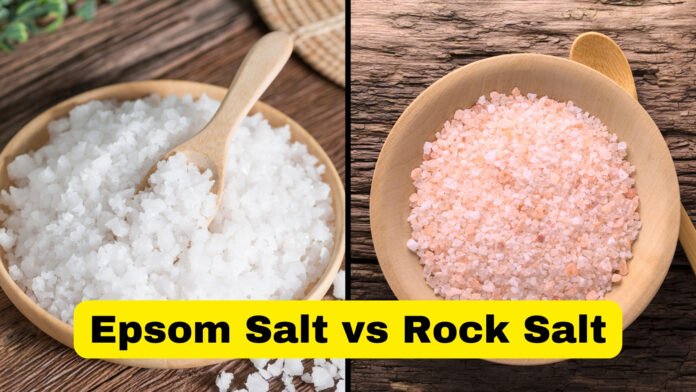
Epsom Salt vs Rock Salt

Epsom Salt vs Rock Salt: Introduction

Have you ever wondered what the difference is between Epsom salt and rock salt? At first glance, they may seem similar as both are commonly used in spa treatments. However, these common bath salts have some key distinctions beyond just their names. As an avid experimenter of relaxation and wellness techniques, I was curious to learn more about the differences between these salts beyond superficial attributes.

Through my research, I discovered fascinating details about their composition, origins, and unique health benefits that set them apart from one another. In this post, I plan to unveil the unique properties of Epsom salt vs rock salt so you can make an informed decision about which type may better serve your wellness goals. My aim is that after reading you will have a clearer understanding of how these salts differ and when each variety is most appropriately used.

What is Epsom Salt?

Epsom Salt

Epsom salt, scientifically known as Magnesium Sulfate, is a mineral compound that has been used for centuries for various health and wellness applications. The name hails from the town of Epsom in Surrey, England, where the compound was first distilled from water.

One of the primary benefits of Epsom salt is its high magnesium content. Magnesium plays an essential role in numerous bodily functions, including muscle and nerve function, blood glucose control, and energy production. Soaking in an Epsom salt bath can help replenish your body’s magnesium levels, promote relaxation, and alleviate muscle soreness.

What is Rock Salt?

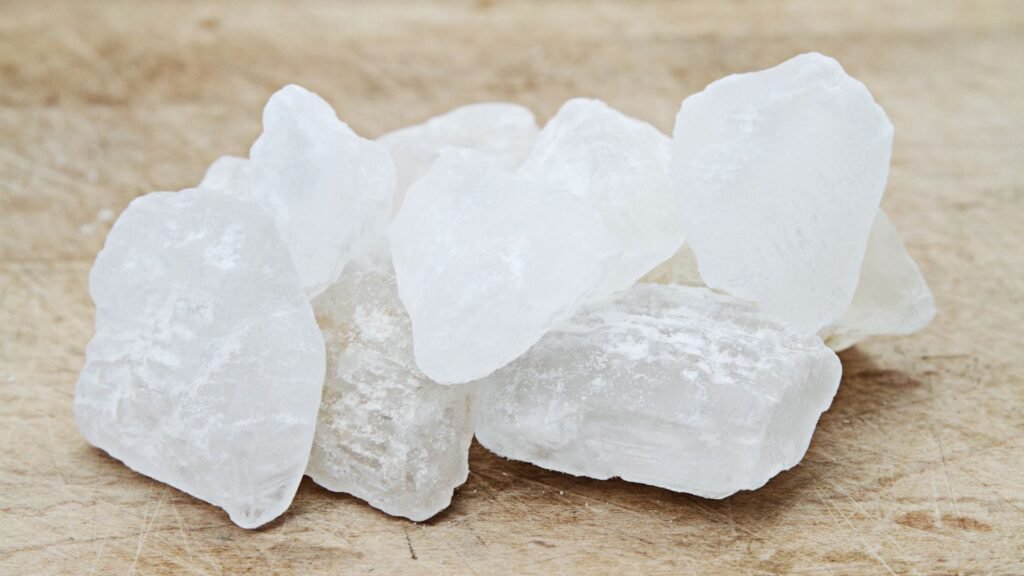
Rock Salt

Rock salt, on the other hand, is a coarse form of salt, also known as Halite, that is mined from underground deposits. Unlike Epsom salt, rock salt mainly consists of Sodium Chloride. It is commonly used for de-icing roads in winter and as a seasoning in cooking.

Rock salt does not provide the same health benefits as Epsom salt. However, it serves crucial functions in maintaining the electrolyte balance in our bodies and plays a vital role in nerve and muscle function.

Epsom Salt vs Rock Salt: The Differences

Although both Epsom salt and rock salt have their unique benefits, there are key differences between the two.

Composition

Epsom salt is a mineral compound comprised of magnesium, sulfur, and oxygen, while rock salt is primarily composed of Sodium Chloride.

Origin

Epsom salt derives its name from the town of Epsom in Surrey, England, where it was first distilled from water. Rock salt, conversely, is mined from underground salt deposits.

Health Benefits

Epsom salt offers health benefits such as promoting relaxation, alleviating muscle soreness, and replenishing the body’s magnesium levels. Rock salt does not provide the same therapeutic benefits but plays a crucial role in maintaining electrolyte balance in the body.

Uses

Epsom salt is used for health and wellness purposes, while rock salt is typically used for culinary purposes and de-icing roads.

Taste

Epsom salt has a bitter taste, making it unsuitable for consumption. Rock salt, on the other hand, is commonly used in cooking due to its salty flavor.

Solubility

Epsom salt is highly soluble in water, which makes it ideal for use in baths or foot soaks. Rock salt is less soluble.

Edibility

While both salts are technically edible, Epsom salt is generally not recommended for ingestion unless under medical supervision. Rock salt can be safely consumed in moderation.

Hydration

Epsom salt is hydrating thanks to the presence of magnesium, whereas rock salt does not have the same hydrating benefits.

Bathing Benefits

Taking a bath with Epsom salt can help soothe muscles, promote relaxation, and replenish magnesium levels in the body. Rock salt does not offer these specific benefits.

Skin Health

Epsom salt is often used in skincare routines for its exfoliating properties and ability to soothe skin irritations. Rock salt does not typically serve this purpose.

Plant Health

Epsom salt is beneficial for plant health as it can improve flower blooming and enhance a plant’s green color. Rock salt can be detrimental to plants and soil health.

Purity

Epsom salt, when in its pure form, does not contain sodium. Rock salt, however, contains both sodium and chloride.

Texture

Epsom salt typically has a finer texture, making it ideal for beauty applications. Rock salt has a coarser texture.

Shelf Life

Epsom salt has an indefinite shelf life if kept dry and properly stored. Rock salt also has a long shelf life but can clump together if exposed to moisture.

Wrapping Up

In conclusion, while both Epsom salt and rock salt serve different purposes, they each have their unique benefits. Remember, knowledge is power, and understanding these differences can help you make informed decisions about your health and well-being. Stay healthy, stay motivated!

Sources:

Advertisement

Why Walking Barefoot Is The BEST Exercise You’re Not Doing

0
walking barefoot benefits

Did you know that your feet have over 200,000 nerve endings, almost as many as your hands? Imagine what you’re skipping out on by always wearing shoes.

Today, we’re debunking myths and diving into the world of barefoot walking, a lesser-known form of exercise that brings remarkable transformations. It’s time to step out of our comfort zones, quite literally, and experience the wonders that await us. Trust me, once you give it a try, you’ll wonder why you didn’t start sooner.

Why Walking Barefoot Is The BEST Exercise You’re Not Doing

Not only does walking barefoot reconnect us with nature, but it also improves our health, posture, balance, and even our mood.

Stick around as we delve deeper into the science behind this practice, hear from experts, and discover how you can incorporate barefoot walking into your daily routine. Get ready to kick off your shoes and embark on a new journey of health and wellness!

Let’s start by talking about posture and balance. When we walk barefoot, we activate proprioceptive receptors in our feet, enhancing body awareness and stabilization. The result? Improved posture and balance that will leave you feeling grounded and confident.

But that’s not all. By going barefoot, we engage the muscles in our feet and ankles that often get neglected when we wear shoes. This leads to increased strength and flexibility over time, empowering you to move with ease and grace.

And here’s a surprising benefit: barefoot walking can help reduce stress and anxiety. Grounding, the act of walking barefoot on natural surfaces, connects us to the earth’s energy, promoting relaxation and a sense of calm. It’s like a free, natural form of therapy that you can access anytime, anywhere.

But the benefits don’t stop there. Walking barefoot heightens our sensory awareness, allowing our feet to experience various textures and surfaces. This not only feels amazing but also keeps us present and mindful of our surroundings, fostering a deeper connection with the world around us.

Believe it or not, walking barefoot might even boost your brainpower. Research suggests that the sensory input from our feet stimulates our brains, enhancing cognitive performance. So, kick off those shoes, and let your mind soar to new heights!

Last but not least, let’s talk about sleep. Grounding during the day can have a positive impact on sleep quality at night. By reducing stress and anxiety, walking barefoot prepares your mind and body for a restful night’s sleep. It’s the ultimate relaxation technique.

Ready to incorporate barefoot walking into your daily routine? Start slow.

Begin by strolling barefoot around your house, gradually exploring your backyard, and eventually venturing to grassy parks or sandy beaches. Just remember to stay mindful of potential hazards along the way.

Advertisement

Boost Your Health: Simple Ways to Ramp Up Your Omega-3 Levels

0
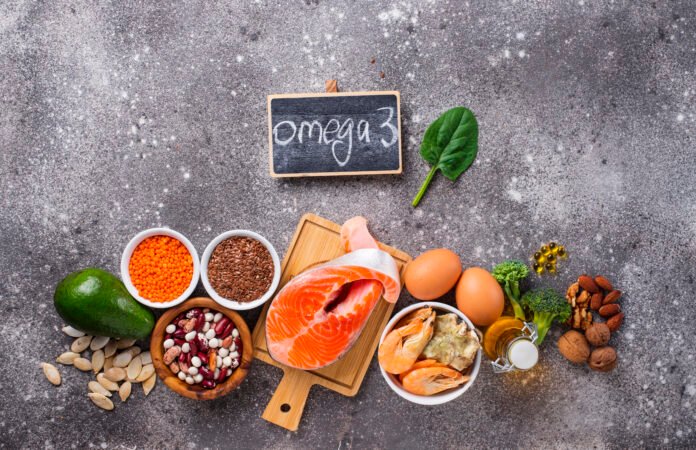
Products sources of Omega-3 acids. Healthy fats

Omega-3 fatty acids are crucial for your body and brain to function optimally. They are also renowned for their potential health benefits, such as reducing inflammation, improving heart health, and aiding in brain function. However, the body doesn’t produce these essential fats naturally, so it’s vital to incorporate them into your diet.

Here are some simple ways to increase your omega-3 intake:

1. Eat More Fatty Fish: Fish like salmon, mackerel, sardines, and trout are rich in omega-3s. Try including at least two servings of these fish in your diet every week.

2. Add Chia Seeds: Despite their small size, chia seeds are a powerful source of omega-3s. You can add them to smoothies, oatmeal, salads, or even use them as an egg substitute in baking.

3. Snack on Walnuts: Walnuts are another excellent source of omega-3s. Incorporate them into your diet by adding them to cereals, salads, or just eating them as a snack.

4. Use Flaxseeds: Ground flaxseeds are a plant-based source of omega-3s. Their nutty flavor can complement many dishes, such as smoothies, yogurts, and salads.

5. Take Omega-3 Supplements: If you struggle to get enough omega-3s from your diet, supplements like fish oil or algal oil capsules can be a good option. However, always consult with a healthcare provider before starting any supplement regimen.

6. Cook with Canola Oil: Canola oil is one of the richest sources of omega-3s among cooking oils. You can use it for sautéing, grilling, or in salad dressings.

7. Opt for Omega-3 Enriched Foods: Many foods are fortified with omega-3s, such as eggs, milk, yogurt, and bread. These can help you meet your omega-3 needs, particularly if you’re not fond of fish or nuts.

8. Hemp Seeds: Another plant-based source of omega-3s, hemp seeds can be sprinkled on salads, yogurt, or cereals.

9. Perilla Oil: This oil, derived from the plant of the mint family, is another source of omega-3s that can be used in cooking.

10. Seaweed and Algae: Great options for vegetarians and vegans, seaweed and algae are one of the few plant sources of EPA and DHA, specific types of Omega-3s usually found in fish.

11. Kidney Beans: While not as high in omega-3s as some other sources, kidney beans still offer a good amount and can be incorporated into many dishes.

12. Soybeans (Roasted): Roasted soybeans are not only a great source of protein but also provide a decent amount of Omega-3 fatty acids.

By incorporating these simple dietary changes, you can significantly boost your omega-3 intake. Remember, every little bit contributes to a healthier you.

Also, it’s important to note that while increasing your Omega-3 intake, it’s beneficial to decrease your intake of Omega-6 fatty acids, which are prevalent in processed foods and some vegetable oils. An optimal Omega-6 to Omega-3 ratio is crucial for overall health.

Always remember to consult with a healthcare provider before making significant changes to your diet or taking new supplements.

Advertisement

Everyday Habits That Are Secretly Damaging Your Liver

0
LIVER DAMAGE

Our liver plays a crucial role in keeping our body healthy and functioning properly. It helps in detoxifying harmful substances, producing bile for digestion, storing essential nutrients, and much more. However, many of our everyday habits can unknowingly harm our liver and lead to serious health issues. With that in mind, here are some simple tips to protect our liver:

1. Excessive Alcohol Consumption: Alcohol is a major culprit when it comes to liver damage. Regular and excessive alcohol consumption can lead to alcoholic liver disease, fatty liver, and even liver cirrhosis.

2. Poor Diet: Consuming a diet high in processed foods, saturated fats, and added sugars can put a strain on your liver. These unhealthy foods can lead to non-alcoholic fatty liver disease, which is becoming increasingly common.

3. Overuse of Medications: Certain medications, when taken in excess or for a prolonged period, can cause liver damage. Painkillers like acetaminophen and non-steroidal anti-inflammatory drugs (NSAIDs) are known to be harmful to the liver.

4. Exposure to Toxins: Our liver is responsible for filtering out toxins from our body. However, prolonged exposure to environmental toxins like pesticides, chemicals, and polluted air can overload the liver and cause damage.

5. Not Getting Enough Exercise: Leading a sedentary lifestyle can increase the risk of fatty liver disease. Regular exercise helps in maintaining a healthy weight and reducing the accumulation of fat in the liver.

6. Smoking: Smoking not only damages your lungs but also affects your liver. The harmful chemicals present in cigarettes can cause inflammation and oxidative stress in the liver.

7. Excessive Sugar Consumption: High sugar intake can lead to insulin resistance and obesity, both of which contribute to fatty liver disease. Limit your consumption of sugary drinks, processed snacks, and desserts.

8. Ignoring Symptoms: Ignoring signs of liver damage like fatigue, jaundice, abdominal pain, and swelling can worsen the condition. It is important to seek medical help and get your liver function tested regularly.

9. Using Unsafe Tattoos and Piercing Tools: Getting tattoos or piercings done using unsterilized tools can increase the risk of hepatitis B and C, which can cause severe liver damage.

10. Not Drinking Enough Water: Dehydration can affect liver function and hinder its ability to flush out toxins. Make sure to drink enough water throughout the day to keep your liver hydrated.

Take care of your liver by avoiding these damaging habits and adopting a healthy lifestyle. Incorporate a balanced diet, regular exercise, and limit your alcohol consumption to keep your liver in optimal condition. Remember, prevention is always better than cure!

Advertisement

How to Make Black Garlic Oil at Home – Delicious Recipes

0
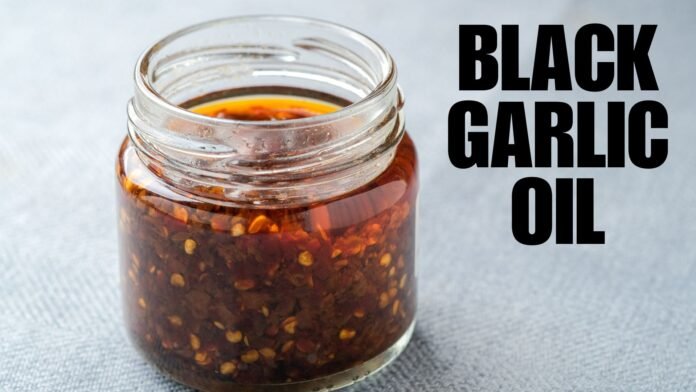
how to make black garlic oil

Ready to transform your culinary creations with a unique and delicious condiment? Look no further than black garlic oil, a versatile and flavorful addition to a variety of dishes. In this blog post, we’ll dive into the fascinating world of black garlic oil, exploring its origins, taste, and health benefits, as well as providing a step-by-step guide to making it at home. So, let’s embark on an exciting journey together and elevate your cooking skills with this amazing ingredient.

From its rich flavor profile to its numerous health benefits, black garlic oil is a true game-changer in the kitchen. Whether you’re looking to enhance your favorite ramen recipe or create a new signature dish, black garlic oil will surely be your secret weapon. Keep reading to discover the endless possibilities that await when you incorporate this magical ingredient into your culinary repertoire.

Key Takeaways

  • Experience the extraordinary taste of black garlic oil mayu & explore its versatile culinary potential!

  • Enjoy a unique smoky, earthy flavor profile and elevate dishes with this delicious ingredient.

  • Discover amazing nutritional components & potential health benefits for your diet!

The Essence of Black Garlic Oil

A bowl of black garlic oil with sesame oil and minced garlic

Black garlic oil mayu, also known as burnt garlic oil or simply mayu, is a dark and smoky condiment that can completely transform dishes like ramen. Made using minced garlic, this oil adds a unique and delightful taste to any dish. Imagine drizzling a few drops of this aromatic liquid into your favorite broth and watching as it infuses the dish with its rich, earthy flavor. Sounds tempting, right?

We will delve into the roots, unique taste, and adaptability of this remarkable ingredient.

Read Also: Refreshing Cucumber Smoothie Recipe

Origins and Significance

The history of black garlic oil is both mysterious and captivating. While its exact origins remain unknown, it has been consumed in South Korea, Japan, and Thailand for centuries. It is believed to have been introduced into these countries from Korea, and sesame oil is often added to enhance its flavor. In Japanese cuisine, black garlic oil, or mayu, adds another layer of flavor to the already delicious broth. Who wouldn’t be intrigued by a condiment with such an enigmatic past and powerful impact on dishes?

Black garlic oil isn’t just about the flavor, though. It also boasts potential health benefits, such as reducing inflammation, improving heart health, and boosting the immune system. These benefits are attributed to the cooking process, which involves cooking sliced garlic in oil until it turns black. With such a rich history, powerful flavor, and promising health benefits, it’s no wonder that black garlic oil is a must-have ingredient for many home cooks and professional chefs alike.

Flavor Profile

The flavor of black garlic oil is truly one-of-a-kind. It boasts a smoky, earthy, and rich taste that is achieved by cooking garlic in oil until it turns black. The result is an earthy and robust flavor profile, with a mellow garlic taste that’s not as pungent as fresh garlic.

The smoky and floral undertones of black garlic oil make it a versatile and delightful addition to a wide range of dishes. Who could resist such a unique and tantalizing taste?

Versatility in Dishes

A bowl of noodles with a drizzle of black garlic oil, showcasing its versatility in dishes.

Black garlic oil’s unique flavor profile allows it to take various dishes to new heights. From tonkotsu ramen to fried rice, its smoky, earthy taste adds a delectable depth that will leave your taste buds craving more.

Imagine the satisfaction of stirring a spoonful of black garlic oil into your favorite ramen recipe, watching as the flavors meld together to create a truly unforgettable meal. With its incredible versatility, black garlic oil is a must-have ingredient for any adventurous cook looking to explore new culinary horizons.

Step-by-Step Guide to Making Black Garlic Oil

A small saucepan with sesame oil, minced garlic and black garlic oil mayu

Ready to make your own black garlic oil at home? With just a few simple ingredients and a bit of patience, you can create a delicious and versatile condiment that will elevate your dishes to new heights. Follow our black garlic oil recipe for a flavorful experience.

This section will walk you through the steps of making black garlic oil, from ingredient selection to cooking and storage. Let’s get started on this flavorful adventure!

Ingredients and Preparation

Creating black garlic oil requires only a few items: garlic, sesame oil, and chili oil. Begin by peeling and mincing the garlic with excitement, then combine it with the sesame oil and chili oil with enthusiasm. With just these simple ingredients, you’re well on your way to creating a rich and flavorful black garlic oil that will impress your friends and family.

Before moving on to the cooking process, make sure you have all the necessary equipment, such as a sauce pan, a heat-proof spatula for stirring, and a fine mesh strainer for removing any larger garlic pieces. With your ingredients prepared and your tools at the ready, you’re set to embark on your black garlic oil-making journey.

Cooking Process

For a flawless black garlic oil, careful cooking of the garlic and oil mixture is crucial. Here’s how to do it:

  1. Add sesame oil to a saucepan along with the minced garlic.

  2. Heat the mixture over medium heat, stirring occasionally.

  3. Keep a close eye on the heat levels to ensure the garlic doesn’t burn, as this will result in a bitter and unpalatable oil.

  4. The goal is to achieve a rich, dark color without compromising the flavor.

As you cook the garlic and oil mixture, the garlic will gradually darken, taking on a deep, earthy aroma. Be patient and continue cooking until the garlic turns black and reaches the desired flavor intensity. This process may take around 15 minutes, but the result will be a delicious and aromatic black garlic oil that’s well worth the wait.

Finishing Touches

Once your garlic and oil mixture has reached the desired color and flavor, it’s time for the finishing touches. Begin by removing the saucepan from the heat and allowing the mixture to cool slightly. Then, strain the oil through a fine mesh strainer to remove any remaining black garlic pieces, resulting in a smooth and velvety oil.

For an even smoother and more refined texture, you can also blend the strained oil using an immersion blender or a high-speed blender. This will ensure that the black garlic is completely pulverized and fully incorporated into the oil, creating a luxuriously smooth and flavorful condiment.

With your black garlic oil complete, it’s time to drizzle, mix, and savor the exceptional flavor that this unique ingredient brings to your dishes.

Perfect Pairings: Dishes to Enhance with Black Garlic Oil

A bowl of tonkotsu ramen with black garlic oil

Now that you’ve mastered the art of making black garlic oil, it’s time to explore the wonderful world of dishes that can be enhanced with this flavorful condiment. Here are some examples:

  • Classic Japanese ramen

  • Simple fried rice

  • Stir-fried vegetables

  • Grilled meats

  • Pasta dishes

  • Salad dressings

  • Marinades for chicken or fish

The possibilities are endless.

This section will acquaint you with a selection of our favorite dishes that can be elevated with a touch of black garlic oil. Get ready to wow your taste buds and discover new culinary delights!

Tonkotsu Ramen

Tonkotsu ramen, a popular Japanese dish made with pork bone broth and noodles, is an excellent candidate for a touch of black garlic oil. The smoky, earthy, and rich taste of the oil adds a whole new dimension to this already delicious dish. To incorporate black garlic oil into your tonkotsu ramen, simply drizzle a small amount over the broth and noodles before serving. For more inspiration, explore various ramen recipes that utilize this flavorful ingredient.

The addition of black garlic oil to tonkotsu ramen not only enhances the flavor but also creates a stunning visual contrast, with the dark oil swirling through the creamy broth. So, the next time you’re in the mood for a comforting bowl of ramen, don’t forget to add a splash of your homemade black garlic oil for an unforgettable dining experience.

Fried Rice

Fried rice is a versatile and satisfying dish that can be taken to the next level with the addition of black garlic oil. Drizzle the oil over the cooked rice before stir-frying it with other ingredients, and you’ll infuse the dish with a deep umami taste and aroma that’s simply irresistible.

For an even more flavorful fried rice, try sautéing garlic and mushrooms in black garlic oil before adding them to the rice. This extra layer of complexity will elevate your fried rice to new heights, making it a dish that’s sure to impress your friends and family.

With black garlic oil in your culinary arsenal, you’ll never look at fried rice the same way again.

Other Savory Recipes

Black garlic oil’s unique flavor and versatility make it an excellent addition to a wide variety of savory recipes. Here are some ways you can use black garlic oil to add depth and complexity to your favorite dishes.

  • Pasta dishes

  • Steak

  • Mayo

  • Vinaigrette

  • Aioli

Imagine the rich, smoky taste of black garlic oil drizzled over a perfectly cooked steak or mixed into a creamy aioli for dipping your favorite appetizers.

The possibilities are truly endless when it comes to incorporating black garlic oil into your cooking. So embrace your culinary creativity and start experimenting with this incredible ingredient. You never know what amazing flavor combinations you might discover!

Tips and Tricks for Mastering Black Garlic Oil

A bowl of fried rice with black garlic oil

Becoming a black garlic oil master takes time and practice, but with the right tips and tricks, you can perfect your technique and create a delicious condiment that will leave your friends and family in awe. One essential skill to master is how to cook garlic, which will greatly enhance the flavor of your black garlic oil.

In this section, we’ll share some expert advice on making the best black garlic oil at home, from choosing the right oil to monitoring heat levels and storing your creation. Let’s delve into the secrets of black garlic oil mastery.

Choosing the Right Oil

The choice of the right oil type is vital when creating black garlic oil to guarantee the best taste and consistency. Sesame oil, for example, adds a delicious nutty flavor and amazing depth of flavor to dishes. For those who prefer a more neutral taste, canola oil or vegetable oil is a great option, as they have a high smoke point and won’t overpower the other flavors in your dishes.

Regardless of which type of oil you choose, it’s important to use an oil with a high smoke point to prevent burning and ensure the best results. Olive oil, for example, should be avoided, as it has a lower smoke point and can burn easily. By selecting the right oil for your black garlic oil, you’ll be well on your way to creating a delicious and versatile condiment that you’ll be proud to share.

Monitoring Heat Levels

Heat management during the cooking process is fundamental to obtain the ideal black garlic oil. If the heat is too high, the garlic can burn and result in a bitter, unpalatable oil. To avoid this, start by heating the garlic and oil mixture over medium low heat, stirring occasionally. As the garlic begins to darken in color, reduce the heat as needed to maintain a gentle cooking temperature.

By carefully monitoring the heat levels and adjusting as necessary, you’ll ensure that your garlic cooks evenly and develops that rich, earthy flavor that black garlic oil is known for. Remember, patience is key, as cooking the garlic too quickly can result in an inferior oil. Take your time, and you’ll be rewarded with a delicious and aromatic black garlic oil that’s well worth the effort.

Storing and Preserving

After preparing your black garlic oil, correct storage and preservation are critical to retain its flavor and freshness. Black garlic oil should be stored in an airtight container in a cool, dark place, such as a pantry or cupboard. Proper storage will help prevent the oil from becoming rancid and ensure that it remains delicious and ready to use whenever you need it.

Black garlic oil can also be frozen for longer-term storage, as freezing helps prevent bacteria from forming. Be sure to label your container with the date it was made, so you know when it’s time to use it up or make a fresh batch.

By following these storage and preservation tips, you’ll ensure that your black garlic oil remains a flavorful and versatile addition to your culinary repertoire.

Health Benefits of Black Garlic Oil

A blender with garlic and oil to make black garlic oil

Not only is black garlic oil a delicious and versatile condiment, but it also offers a range of nutritional components and potential health benefits. This section will examine the array of vitamins, minerals, and other nutrients in black garlic oil, and discuss the potential health benefits it may provide.

So let’s dive into the healthy side of this flavorful ingredient.

Nutritional Components

Black garlic oil is packed with vitamins A, B, C, and E, as well as minerals such as calcium, magnesium, and potassium. It also contains polyphenols, which are incredibly powerful antioxidants. With such an impressive array of nutrients, it’s no wonder that black garlic oil is considered a superfood by many.

So, not only will you indulge your taste buds, but you’ll also be nourishing your body with this amazing ingredient.

Potential Health Benefits

Black garlic oil has been linked to a variety of health benefits, including improved digestion, reduced inflammation, and improved cardiovascular health. This is largely due to its high concentration of antioxidants, which help protect the body against oxidative stress and promote overall well-being. The unique cooking process used to create black garlic oil also contributes to its health benefits, as it increases the concentration of antioxidants compared to raw garlic.

While more research is needed to fully understand the effects of black garlic oil on the body, its potential health benefits make it an even more appealing addition to your culinary repertoire. So go ahead and enjoy the rich, smoky taste of black garlic oil, knowing that you’re also supporting your health and well-being.

Dietary Considerations

When incorporating black garlic oil into your diet, it’s important to consider any dietary restrictions or allergies you may have. While garlic supplements are generally well tolerated, consuming excessive amounts of garlic may cause digestive issues such as upset stomach, bloating, and diarrhea. To avoid these issues, it’s important to consume black garlic oil in moderation and listen to your body’s response.

By doing so, you’ll be able to enjoy the delicious taste and potential health benefits of black garlic oil while maintaining a balanced and healthy diet.

Summary

Black garlic oil is a unique and versatile condiment that can elevate your favorite dishes with its rich, smoky, and earthy flavor. From its mysterious origins to its potential health benefits, this ingredient is truly a culinary treasure. By following our step-by-step guide to making black garlic oil at home and exploring the delicious dishes that can be enhanced with its addition, you’ll be well on your way to becoming a black garlic oil master.

So why not embark on this flavorful journey and discover the endless possibilities that await with black garlic oil? With its delicious taste, impressive health benefits, and versatility in the kitchen, it’s sure to become a staple in your culinary repertoire. Happy cooking!

Frequently Asked Questions

What is black garlic oil used for?

Treat yourself to a delicious flavor boost in any Asian soup dish with black garlic oil (mayu)! This simple yet souped-up condiment combines the powerful flavors of three common aromatics for an umami punch.

Black garlic oil is made from garlic, sesame oil, and soy sauce. The garlic is slowly cooked until it turns black, giving it a unique flavor and aroma. The sesame oil adds flavor.

What does black garlic oil taste like?

Black garlic oil has a bitter burnt garlic taste on its own, but when added to ramen it transforms into a smoky, earthy and rich flavour that enhances any broth.

Adding black garlic oil to ramen is a great way to add depth and complexity to the broth. It can be used to create a variety of flavour profiles, from sweet and savoury to smoky and spicy. It’s also a great way to add a unique touch.

What is the name of the black garlic oil?

Indulge in the Japanese-style condiment Mayu – Black Garlic Oil – which adds an amazing layer of flavour to your ramen broth!

Is black garlic oil made from black garlic?

No, black garlic oil is not made from black garlic. It’s a variation of garlic confit that’s cooked until the cloves turn black.

What is black garlic oil?

Experience the smoky, aromatic flavor of black garlic oil and transform your dishes such as ramen!

Made with minced garlic, this oil adds a unique taste to any meal.

Advertisement

Refreshing Cucumber Smoothie Recipe

1
Cucumber Smoothie Recipe

Are you ready to dive into the world of refreshing and healthy cucumber smoothies? We have prepared a variety of delicious recipes and customization options for you to try. In this blog post, you will learn about the numerous health benefits of cucumber smoothies, including the ever-popular cucumber smoothie, and how to create the perfect drink tailored to your taste buds.

Short Summary

  • Create delicious and nutritious cucumber smoothies with a variety of ingredients.

  • Enjoy the health benefits such as hydration, weight loss, and improved digestive health.

  • Experiment with variations to customize your perfect cucumber smoothie!

The Ultimate Cucumber Smoothie Recipe

A glass of cucumber smoothie with frozen pineapple and lemon juice

Let’s start with the classic cucumber smoothie recipe that has won the hearts of many. This delightful blend of ingredients creates a creamy and delicious drink perfect for any time of the day.

As you explore the world of cucumber smoothies, remember that you can always add your personal touch with exciting substitutions and variations.

Ingredients

For the ultimate cucumber smoothie, gather these delightful ingredients.

  • Frozen pineapple

  • Frozen banana

  • Cucumbers

  • Yogurt

  • Coconut water

Each ingredient plays a vital role in the smoothie, providing a unique flavor and texture. For example, the frozen pineapple adds a tropical twist, while the yogurt contributes a rich creaminess.

Don’t be afraid to get creative with your ingredient choices. You can swap out yogurt for Greek yogurt or coconut milk, or even try adding fresh ginger for a spicy kick. The possibilities are endless when it comes to crafting the perfect cucumber smoothie.

Preparation Steps

Creating the ultimate easy cucumber smoothie recipe is a breeze. Simply blend all the ingredients together until smooth and delightfully creamy. Pour your masterpiece into glasses and enjoy the deliciousness.

In just a few easy steps, you’ve crafted a nutritious and refreshing drink that will surely become a go-to favorite.

Variations and Substitutions

The ultimate cucumber smoothie recipe is just the beginning. Embrace your inner chef and experiment with exciting variations and substitutions. Here are some ideas:

  • Swap out the coconut water for your favorite milk

  • Add different fruits like berries, mango, or pineapple

  • Explore various sweeteners and add-ins like honey, agave syrup, or chia seeds

  • Try a green smoothie recipe by adding spinach or kale to the mix

Get creative and make the smoothie that suits your taste preferences!

The key to creating your perfect cucumber smoothie lies in discovering the flavor combinations that make your taste buds dance. So, go ahead and let your imagination run wild. The world of cucumber smoothies is yours to explore and enjoy.

Cucumber and Mint Delight: A Refreshing Twist

A glass filled with a green-colored cucumber smoothie topped with mint leaves and cucumber slices.

If you’re a fan of mint, we have the perfect recipe for you. The Cucumber and Mint Delight offers a refreshing twist on the classic cucumber smoothie by adding the invigorating flavor of fresh mint. Try our cucumber mint smoothie recipe and experience the delightful combination of flavors.

This delectable concoction is both satisfying and thirst-quenching, making it an ideal choice for a warm summer day or as a post-workout treat.

Ingredients

To craft the Cucumber and Mint Delight, gather these flavorful ingredients: cucumber and mint.

  • 1 large cucumber, peeled and sliced

  • ¼ cup mint leaves

  • 1 green apple, diced

  • 1 tablespoon honey

Each component plays a crucial role in creating this refreshing masterpiece. The cucumber provides hydration, the mint leaves offer a cooling sensation, the green apple adds a touch of sweetness and tartness, and the honey binds everything together beautifully.

Feel free to experiment with ingredient substitutions to suit your personal preferences. Swap out the green apple for a different type of apple or a pear, or try using agave nectar or maple syrup instead of honey. The options are endless!

Preparation Steps

Whipping up a batch of Cucumber and Mint Delight is as easy as pie. Simply blend all the ingredients together until smooth. In no time, you’ll have a revitalizing and delicious drink that will leave you feeling energized and refreshed.

Enjoy your cucumber and mint delight as a tasty afternoon pick-me-up or as a delightful post-exercise treat.

Green Power: Spinach and Cucumber Smoothie

A glass of spinach and cucumber smoothie with frozen mango and fresh ginger

Why settle for just one nutrient-packed ingredient when you can combine the power of both spinach and cucumber? The Green Power Spinach and cucumber smoothie is a powerhouse of vitamins and antioxidants, making it an excellent choice for those looking to boost their health and wellness routine.

This smoothie is packed with vitamins A, C, and K, as well as iron.

Ingredients

To create the Green Power: Spinach and Cucumber Smoothie, you’ll need the following ingredients: spinach and cucumber.

  • Spinach

  • Cucumber

  • Apple

  • Avocado

  • Dates

Each ingredient brings its unique set of nutrients and flavors to the table. The spinach offers a punch of Vitamin A, the cucumber lends its refreshing taste and hydrating properties, the apple provides a touch of sweetness, the avocado contributes a creamy texture, and the dates add a natural sweetness.

Feel free to get inventive with your ingredient choices. You can try swapping out the spinach for kale, the apple for a pear, or the dates for another natural sweetener such as honey or maple syrup. The choice is yours!

Preparation Steps

Creating the Green Power: Spinach and cucumber healthy smoothie is a walk in the park. Simply place all the ingredients in a blender and blend until smooth and creamy. The result is a delicious and nutritious spinach smoothie that’s perfect for starting your day or recharging your energy levels after a workout. For more healthy smoothie recipes, explore our collection of tasty and easy-to-make options.

Feel the green power surge through you with every sip!

Customizing Your Cucumber Smoothie

A glass of cucumber smoothie with various frozen fruits

Now that you have a solid foundation of cucumber smoothie recipes, it’s time to make them your own. Customizing your cucumber smoothie is a fun and easy way to create a drink that caters to your taste buds and nutritional needs. Let your creativity run wild as you explore fruit pairings, liquid options, and sweeteners to craft your perfect cucumber smoothie.

Experiment with different combinations of fruits, vegetables, and liquids to find the perfect balance.

Fruit Pairings

The world of fruit pairings is vast and full of delicious possibilities. Cucumber smoothies can be enhanced with a variety of fruits, such as:

  • Lime or lemon juice

  • Pineapple

  • Banana

  • Strawberry

Each fruit brings its unique flavor and texture to the smoothie, creating a symphony of taste that’s sure to delight your palate.

Don’t be afraid to mix and match fruits in your cucumber smoothies. The key to discovering your ideal fruit pairing is experimentation. So, go ahead and try a combination of pineapple and banana or a blend of strawberries and lime juice. You never know; you might just stumble upon your new favorite flavor.

Liquid Options

When it comes to liquid options for your cucumber smoothie, the choice is yours. You can use dairy options like milk, yogurt, or cream, or opt for non-dairy alternatives such as almond milk, coconut milk, or other nut milks.

Each liquid option provides a unique consistency and flavor, allowing you to tailor your smoothie to your preferences.

Sweeteners and Add-ins

Enhance the flavor and nutritional value of your cucumber smoothie with a variety of sweeteners and add-ins. Consider adding ingredients such as:

  • pineapple

  • banana

  • dried fruit

  • honey

  • yogurt

  • ice cubes

  • mint

  • lemon juice

These additions offer their own benefits and flavor profile, allowing you to craft a smoothie that’s uniquely yours, with options like vanilla flavored protein powder.

As you explore the world of sweeteners and add-ins, remember that the key to creating the perfect cucumber smoothie lies in finding the right balance of flavors. So don’t be afraid to step outside your comfort zone and try new combinations. You never know what delicious discoveries await.

Health Benefits of Cucumber Smoothies

A glass of cucumber smoothie with Greek yogurt and coconut water

Cucumber smoothies are more than just a tasty treat; they offer an array of health benefits that make them an ideal addition to your daily routine. Packed with vitamins, antioxidants, and fiber, cucumber smoothies can help your body cleanse from unwanted toxins while providing essential nutrients.

Let’s delve deeper into the nutrient profile, hydration and weight loss benefits, and digestive health advantages of incorporating cucumber smoothies into your diet.

Nutrient Profile

Cucumbers are a powerhouse of nutrients, contributing to a healthy and nourishing smoothie. They are low in calories and high in water content, providing excellent hydration. Additionally, cucumbers contain essential vitamins like vitamin K and potassium, making them a fantastic addition to any smoothie.

Spinach, another common ingredient in cucumber smoothies, is also a nutritional force to be reckoned with. Packed with Vitamin A, iron, and potassium, spinach can help improve the health of your hair, skin, and overall wellbeing. By combining these nutrient-dense ingredients, you’re crafting a smoothie that not only tastes delicious but also fuels your body.

Hydration and Weight Loss

Cucumber smoothies are a fantastic way to stay hydrated and support weight loss efforts. Here’s why:

  • The high water content in cucumbers helps keep you feeling refreshed and hydrated.

  • Cucumbers have a low calorie count, which contributes to weight loss.

  • By incorporating other nutrient-dense ingredients like spinach and fruits, you’re creating a well-rounded and satisfying drink that can aid in your weight loss journey.

In addition to their hydration and weight loss benefits, cucumber smoothies can also help improve skin health. The high water content and essential vitamins found in cucumbers work together to nourish and hydrate the skin, leaving it looking radiant and healthy.

Digestive Health

Cucumber smoothies offer several advantages when it comes to digestive health. They:

  • Are high in fiber, which helps promote healthy digestion and prevent constipation

  • Have a high water content that helps to hydrate the digestive system and improve overall digestion

  • Act as a natural diuretic, helping to eliminate toxins and waste from the body for improved digestive health

By incorporating cucumber smoothies into your diet, you’re not only treating yourself to a delicious and refreshing beverage, but you’re also supporting your body’s digestive health. So, go ahead and raise a glass to your wellbeing with a scrumptious cucumber smoothie.

Summary

In this blog post, we explored the world of cucumber smoothies, from the classic Ultimate Cucumber Smoothie Recipe to the refreshing Cucumber and Mint Delight and the nutrient-packed Green Power: Spinach and Cucumber Smoothie. With endless customization options and a multitude of health benefits, cucumber smoothies are an excellent choice for those looking to add a delicious and nutritious drink to their daily routine. So why not give cucumber smoothies a try and experience the refreshing and revitalizing power for yourself?

Frequently Asked Questions

Are cucumber smoothies good for you?

Cucumber smoothies are a great way to get the many health benefits of cucumbers, such as their detoxifying, anti-inflammatory and antioxidant properties. They’re an easy way to boost your vitamin intake and make for a refreshing and tasty treat.

What does cucumber do in a smoothie?

Cucumber adds a unique spa-like flavor to smoothies, making them more nutritious and creamy! It’s a great way to get nutrients and hydrate all at once.

What are the benefits of cucumber smoothie in the morning?

Enjoy the weight loss and health benefits of a cucumber smoothie each morning for an energized start to your day!

Cucumbers are loaded with essential vitamins, minerals, and antioxidants, making them an excellent choice for supporting overall well-being.

What fruits can I add to my cucumber smoothie for a refreshing twist?

Add a refreshing twist to your cucumber smoothie by mixing in pineapple, banana, lime or lemon juice, and strawberry.

What are some non-dairy liquid options for my cucumber smoothie?

Try almond milk, coconut milk, or other nut milks in your cucumber smoothie for a deliciously creamy texture without the dairy!

These alternative milks are a great way to add a creamy texture to your smoothie without the dairy. They are also a great source of calcium and other essential vitamins and minerals. Plus, they are often lower in calories.

Advertisement

11 Best Essential Oils for Varicose Veins: Which Work Best and Why?

0
Essential Oils for Varicose Veins

Varicose veins, those enlarged and unsightly veins usually found in the legs and feet, affect millions globally. They can cause discomfort, pain, and even lead to severe health problems if left untreated.

But did you know that nature provides us with essential oils that may help manage this condition? Essential oils, derived from plants, have a long history of use in treating various health conditions, including varicose veins.

In this blog post, we will explore the top eleven essential oils for varicose veins, backed by research and expert opinions. Discover the potential of these botanical extracts and learn how to incorporate them into your daily routine for better vein health, whether you’re looking for relief or prevention.

Read on to uncover the natural benefits of essential oils!

What Cause Varicose Veins?

Varicose veins

Varicose veins are primarily caused by increased blood pressure in the veins, specifically those near the surface of the skin. They occur when the walls of your veins weaken, which can lead to blood pressure increasing in these vessels.

Inside your veins, there are tiny one-way valves that open to let the blood through. When these vein walls and valves become weak, they may not function properly, leading to the development of varicose veins. In some cases, chronic constipation, tumors, and a sedentary lifestyle can also contribute to the condition.

Varicose veins are swollen, twisted, and enlarged veins that you can see under the skin, often appearing red or blue in color. They typically develop when blood flow is obstructed and cannot flow as effectively.

Can Vitamin Deficiency Cause Varicose Veins?

Vitamin Deficiency Cause Varicose Veins

Certain studies suggest inadequate levels of specific vitamins, like Vitamin K and its variant K2, may contribute to varicose vein formation. The British Medical Journal reported low Vitamin K2 levels can lead to elastin calcification, impacting vein elasticity.

Research also suggests a link between genetically predicted coffee consumption and circulating levels of Vitamin B12 and magnesium, associated with varicose veins. Vitamins B6 and B12 help reduce excessive blood clotting, a potential cause. Vitamin B12 even shows promise for promoting vein health and repairing varicose veins.

Deficiencies in Vitamins D and K can disrupt blood clotting, a known factor in varicose vein development. Additionally, Vitamin C supports vein strength and elasticity through collagen production. Remember, a balanced intake of these vitamins is crucial for vein health.

Best Essential oil for Varicose Veins

essential oils for varicose veins

Various sources have recognized several essential oils for their potential benefits in managing varicose veins.

Lavender oil, known for its powerful anti-inflammatory properties, may help reduce swelling and pain associated with varicose veins. Helichrysum oil is also noted for its healing properties and could be effective in reducing the appearance of varicose veins.

Other oils such as yarrow, grapevine, and cypress have been suggested to potentially shrink or reduce the appearance of varicose veins. Geranium, frankincense, and lemongrass oils are commonly used for varicose veins.

11 Best Essential Oils for Varicose Veins

While there’s no substitute for professional medical advice, some people have found relief from varicose veins using essential oils.

These natural remedies may help alleviate symptoms, improve circulation, and reduce inflammation.

Here are the top 10 essential oils that could potentially aid in managing varicose veins:

Lavender Essential Oil

Lavender Essential Oil

Renowned for its remarkable anti-inflammatory properties, has been used for centuries to alleviate discomfort caused by varicose veins. By applying this fragrant oil topically, individuals may experience decreased swelling and relief from associated pain.

Horse Chestnut Essential Oil

Horse Chestnut Essential Oil

Derived from the seeds of the Horse Chestnut tree, this natural oil is highly regarded for its potential benefits in improving vascular health. With its reported properties, it is speculated that this oil may assist in reducing the visibility of varicose veins, providing potential relief and promoting healthier-looking skin.

Sea Pine Essential Oil

Sea Pine Essential Oil

Sea pine oil, although not widely recognized, is thought to possess advantages for varicose veins due to its potential anti-inflammatory properties and its ability to improve poor circulation. This natural remedy has gained attention for its potential to alleviate discomfort and promote healthy blood flow in affected areas.

Grape Vine Essential Oil

Grape Vine Essential Oil

Derived from the grape vine plant, this natural remedy is becoming increasingly popular among individuals seeking effective solutions for varicose veins. With its unique blend of therapeutic properties, grape vine oil offers a gentle and soothing way to address this common condition. Incorporating this all-natural option into your routine may help promote healthy-looking veins and provide relief from discomfort.

Helichrysum Essential Oil

Helichrysum Essential Oil

It is highly regarded for its exceptional properties in improving blood circulation and reducing inflammation. Due to its remarkable benefits, it has earned a reputation as one of the best massage oils specifically recommended for addressing the discomfort associated with varicose veins.

Cypress Essential Oil

Cypress Essential Oil

Cypress oil, derived from the Cypress tree, is frequently mentioned in the context of vein health due to its believed soothing and toning properties. It is commonly used in warm baths for a relaxing and rejuvenating experience. Add a few drops of this fragrant oil to your bathwater to enjoy its potential benefits for your veins.

Frankincense Oil

Frankincense Oil

It is well-known for its potent anti-inflammatory properties, making it a valuable natural remedy when it comes to managing varicose veins. The oil, derived from the Boswellia tree, has been used for centuries in traditional medicine practices to promote healthy blood circulation and alleviate the discomfort associated with varicose veins. With its soothing aroma and therapeutic benefits, frankincense oil offers a holistic approach to promote vein health.

Lemongrass Essential Oil

Lemongrass Essential Oil

Although not as widely known as other remedies, lemongrass oil is occasionally recommended for the treatment of varicose veins. Lemongrass oil, derived from the aromatic lemongrass plant, is believed to possess properties that may help alleviate the discomfort and appearance of varicose veins, promoting healthier-looking legs.

Geranium Essential Oil

Geranium Essential Oil

Known for its therapeutic properties, geranium oil is believed to have a positive impact on circulation, making it a potential remedy for addressing the discomfort caused by varicose veins. By improving blood flow, this essential oil may offer relief and promote overall vein health.

Chamomile Oil

Chamomile Essential Oil

With its soothing and calming properties, chamomile has long been recognized as a natural remedy for relaxation. But did you know that it may also offer relief from the discomfort caused by varicose veins? By gently massaging chamomile essential oil onto affected areas, individuals experiencing pain and discomfort can potentially find some respite.

Yarrow Essential Oil

Yarrow Essential Oil

This essential oil is known for its anti-inflammatory properties and is thought to help reduce the appearance of swollen veins in the legs. With regular massage, yarrow essential oil may offer relief from discomfort caused by varicose veins as it helps reduce inflammation. It is also said to promote healthy circulation which can improve overall vein health.

How can you use Essential Oils for Varicose Veins?

treating varicose veins

Essential oils can be used effectively for the relief of symptoms associated with varicose veins. To use them, you typically dilute a few drops of the chosen essential oil in a carrier oil such as coconut oil or jojoba oil.

Apply this mixture directly to the affected areas and massage gently, always moving towards the heart to encourage good circulation.

Essential oils like cypress, lavender, and helichrysum are often recommended for their potential benefits in managing varicose veins. Some people also add these oils to a warm bath for a soothing soak.

However, it’s important to remember that while essential oils can provide symptomatic relief, they don’t cure varicose veins.

Tips to Prevent Varicose Veins or Spider Veins

To prevent or slow the progression of varicose veins, there are several proactive measures you can take. Engaging in regular exercise, such as walking, biking, and swimming, can greatly improve your circulation.

Additionally, maintaining a healthy weight helps reduce unnecessary pressure on your veins. If your job requires long periods of sitting or standing, remember to take short breaks to move around.

For effective prevention of varicose veins, consider using compression stockings to aid in leg blood flow. Elevating your legs and practicing good posture can also assist with circulation.

Lastly, lifestyle changes such as avoiding tight clothing, reducing salt intake, and moisturizing the skin contribute to healthier veins.

Advertisement

STAY CONNECTED

2,070FansLike
409FollowersFollow
45,300SubscribersSubscribe
Advertisement

Recent Posts

Benefits of Pumpkin Seeds

11 Incredible Benefits of Pumpkin Seeds You Might Not Know

0
Pumpkin seeds have long been used as a source of nutrition, with some claiming that they are even more nutritious than other nuts. In...
walking barefoot benefits

Why Walking Barefoot Is The BEST Exercise You’re Not Doing

0
Did you know that your feet have over 200,000 nerve endings, almost as many as your hands? Imagine what you're skipping out on by...

7 Best Fruits for Heart After 50 Years of Age

0
As we age, our heart deserves special attention to stay healthy and strong for a long time. One simple yet significant way of keeping...
Castor Oil Forces a Scalp Reset

Castor Oil Forces a Scalp Reset by Waking Up Hair Follicles Gone Dormant

0
Castor oil doesn't behave like an ordinary hair oil. Thick almost to the point of stubbornness, thick enough to cling to a comb, it...

Say Goodbye to Varicose Veins: Discover the Power of Olive Oil & Garlic!

0
Varicose veins are enlarged, swollen, and twisted veins that often appear blue or dark purple. They occur when faulty valves in the veins allow...